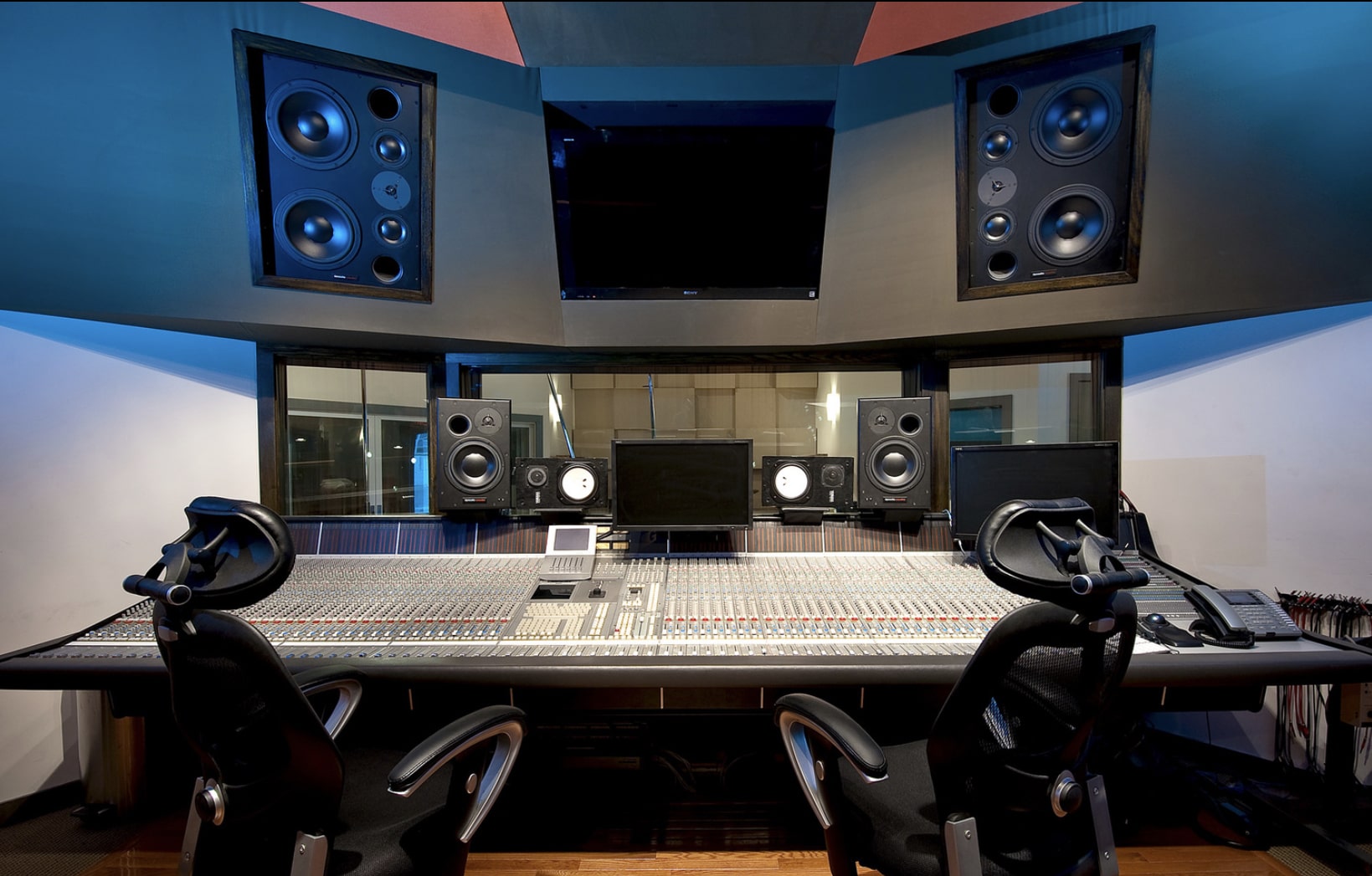
Choosing Your Space and Equipment
The first step in setting up a home studio is choosing the right room. You don't need a professional recording studio, but some rooms work better than others. Look for a space that is relatively quiet and away from busy areas of your home. Bedrooms, spare rooms, or even a corner of a basement can work well. Try to avoid rooms with lots of windows or hard surfaces that create echo. If you can, add some soft materials like rugs, curtains, or blankets to help reduce unwanted reflections. The goal is to find a space where you can work without too much background noise and where your recordings will sound clear. Remember, you can always improve the acoustics later with simple DIY solutions.
Once you have a room picked out, it's time to think about your budget and essential equipment. The good news is that you can start with just a few basic items. At minimum, you'll need a computer that can run audio software, an audio interface to connect microphones and instruments to your computer, and a pair of headphones for monitoring your recordings. You don't need to spend thousands of dollars to get started. Many beginners find success with entry-level equipment that costs a few hundred dollars total. As you learn more and improve your skills, you can always upgrade your gear. The most important thing is to start with reliable equipment that fits your budget, so you can focus on learning the basics of music production without breaking the bank.